Services
Series production, 500 to 250,000 pieces
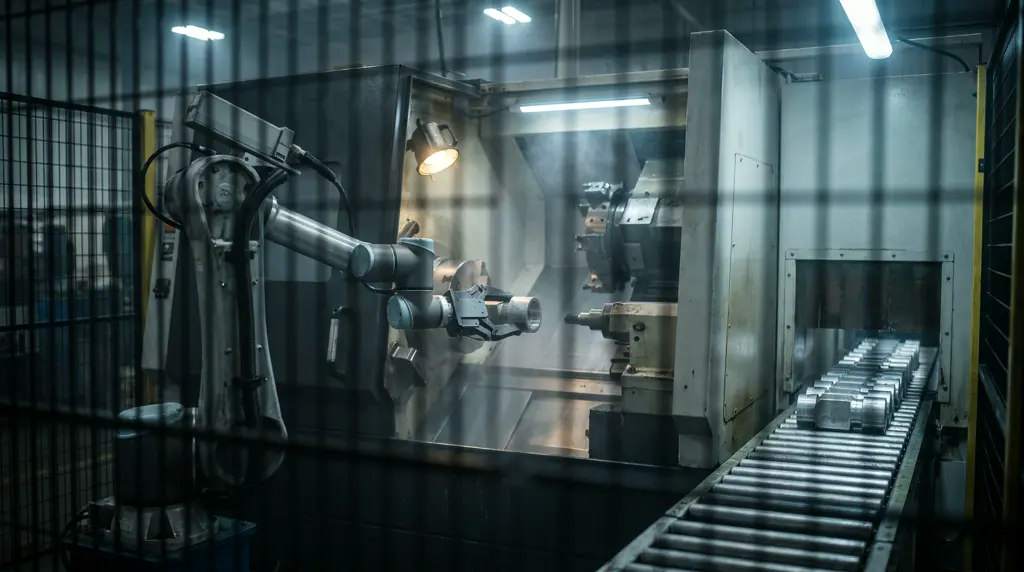
Automated, documented, called off. 62 unattended machine hours a week are the reason quantity lowers the price here more than it does elsewhere.
What we do with it
Series is not a quantity problem, it is a variation problem. Almost anyone can make the first part; the question is whether the ten-thousandth still has the same bore. So we talk about process capability rather than individual measurements: Cpk ≥ 1.67 on every characteristic marked critical.
That comes from pallet pools, tool life monitoring and automatic correction — and from deciding which characteristics are critical in the first place. We make that decision with you, before the inspection plan is written.
From approval to repetition
Process planning
Setup sequence, tool list, inspection plan, packaging. All written down, all before the first part.
First article inspection
A full report to PPAP Level 3 or VDA. With a capability demonstration, not only dimensions.
Ramp-up
Increased inspection frequency over the first 200 parts, then to the plan.
Unattended running
Pallet pools to 24 stations, sister tools loaded. The machine keeps running when a tool reaches its life.
Call-off and stock
Framework order, agreed safety stock, call-offs on your rhythm. You schedule, we hold.
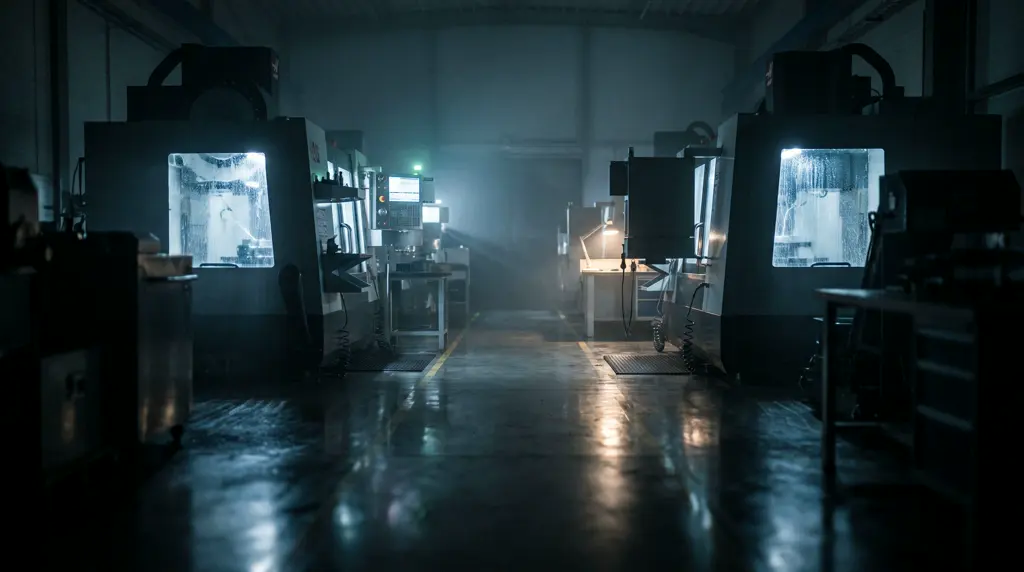
Machines used
See the machine parkMaterials
What we hold
±0.008 mm true position at Cpk ≥ 1.67. The capability index is the stronger statement: it does not say the parts measured were good, it says the process makes them so. Control charts ship with every delivery.
See quality assuranceWhy here
Used in
Common questions
From what quantity do you call it series?
From 500 pieces a year. Below that we use the same fixtures but without an unattended shift.
How long is ramp-up?
Six to ten weeks from order to first article approval, depending on fixturing and heat treatment.
Do you move work to the Czech plant without asking?
No. The place of manufacture is stated in the quote and changes only with your agreement and a new first article approval.
What happens if the part changes mid-series?
The revision is tracked, remaining stock is marked, and a new first article inspection runs. A change without a new report does not happen here.
Do you hold stock?
Yes, against a framework order. Four to six weeks of safety stock is usual.
Ask about a series
With annual volume, call-off rhythm and the first-article scope you need. Then the numbers are right.